
About Scolecite Crystals
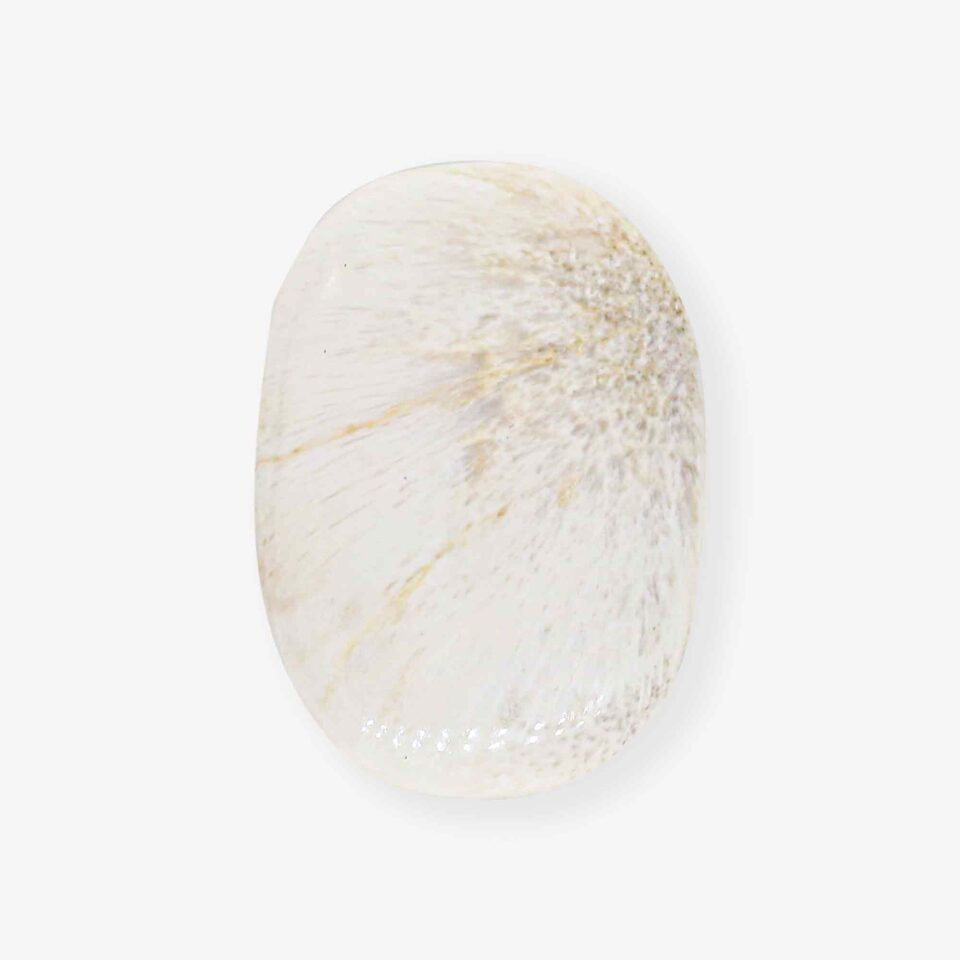
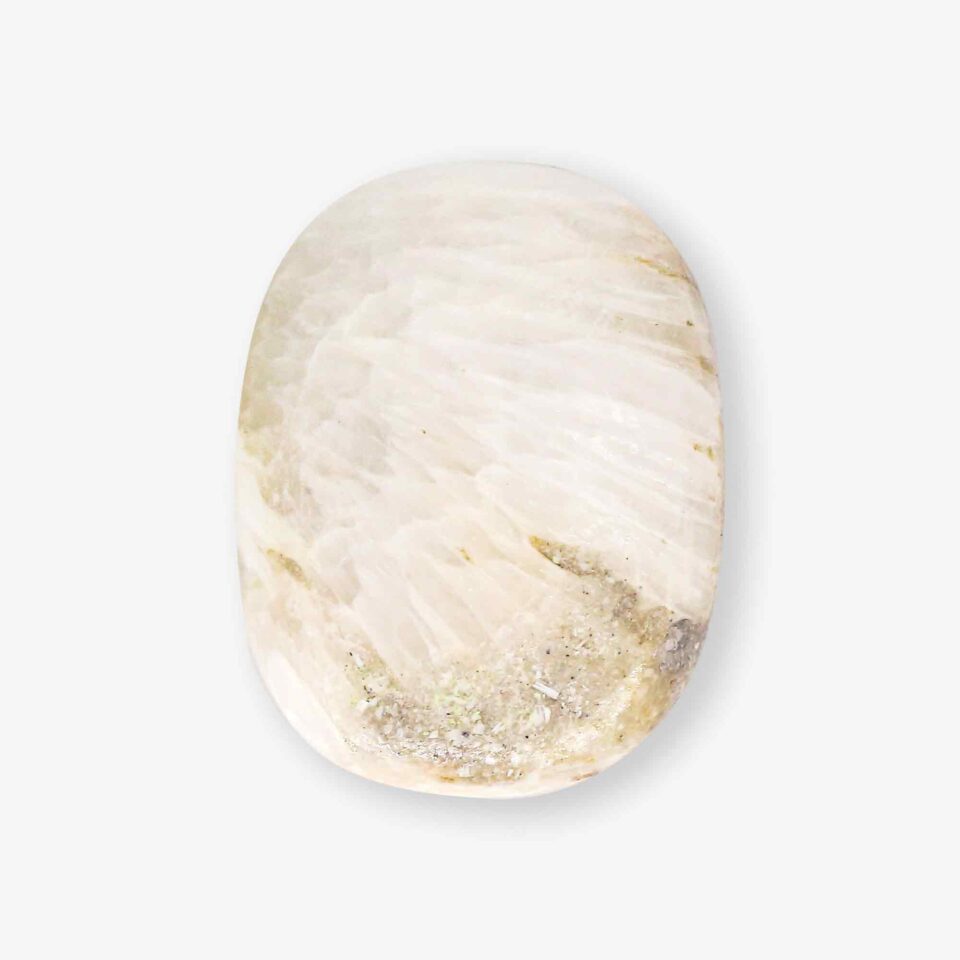
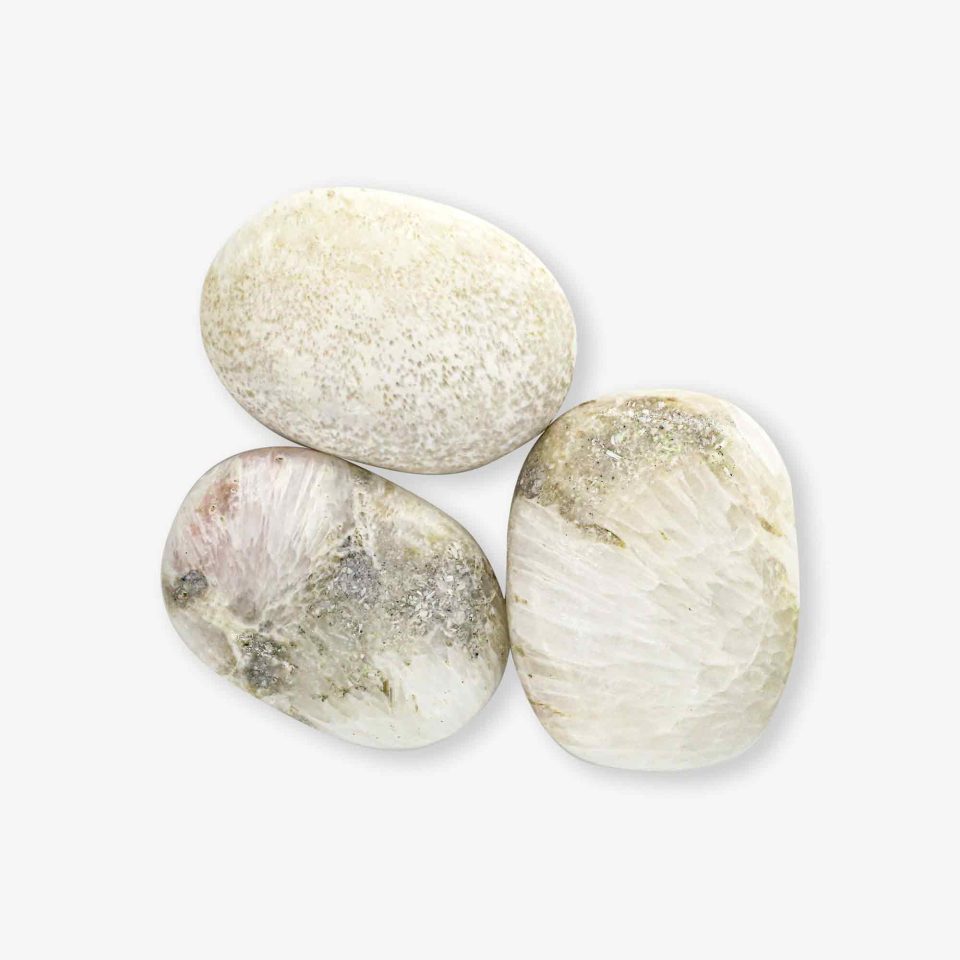
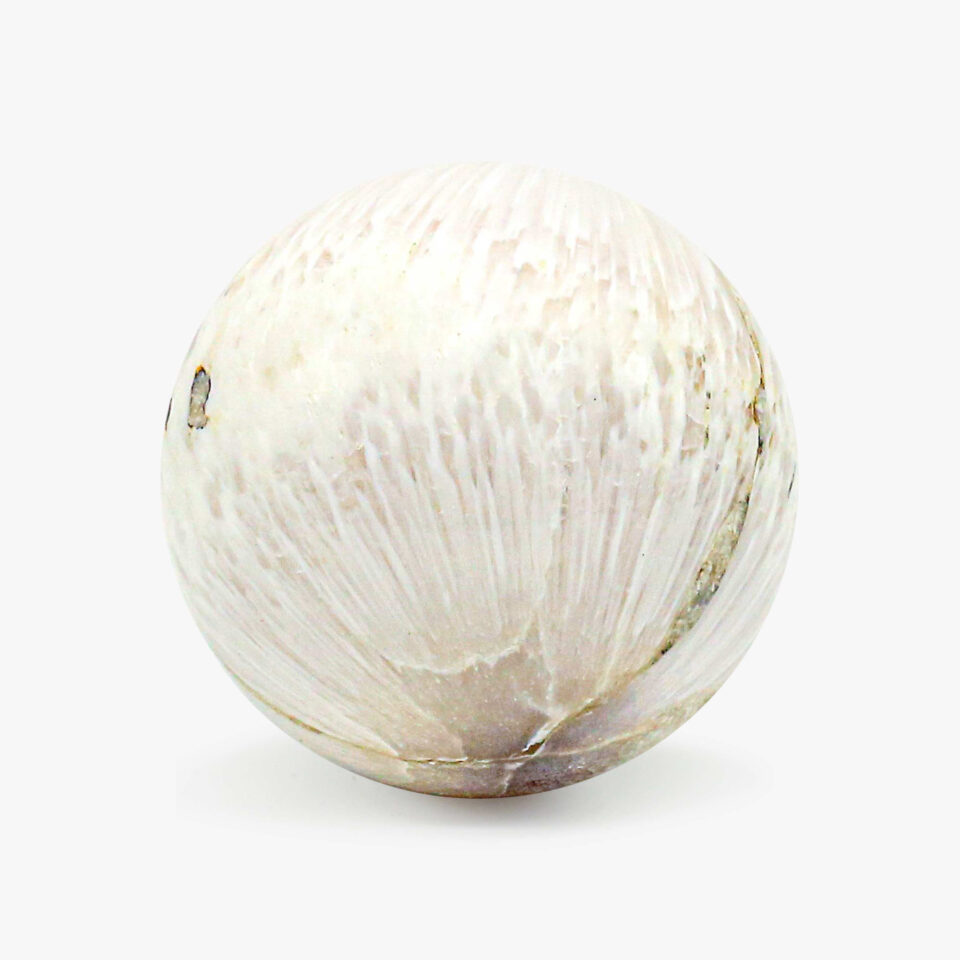
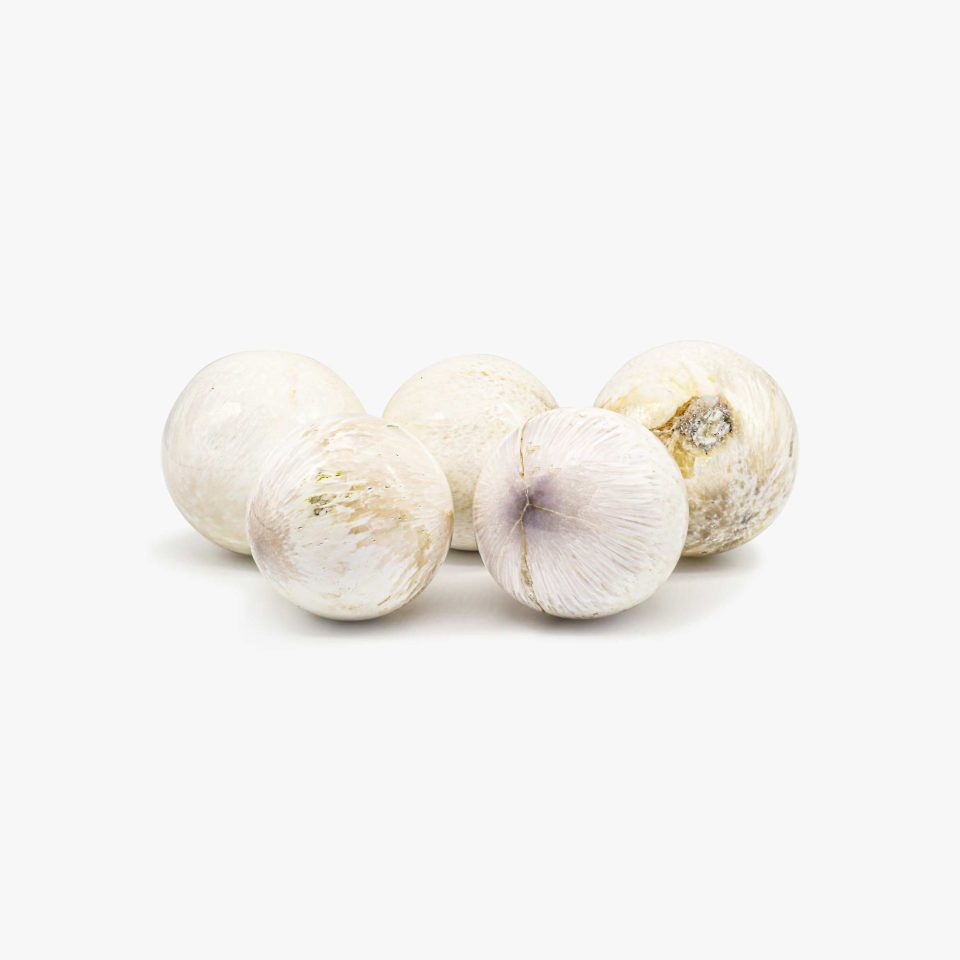
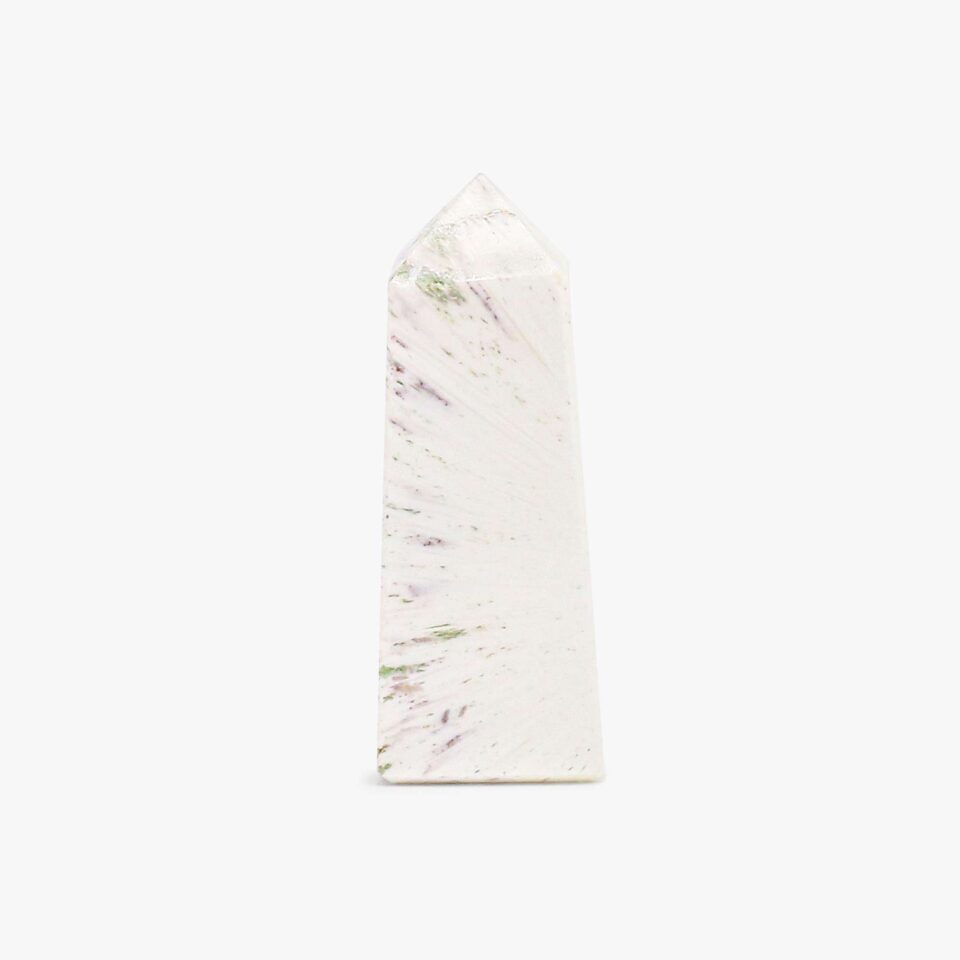
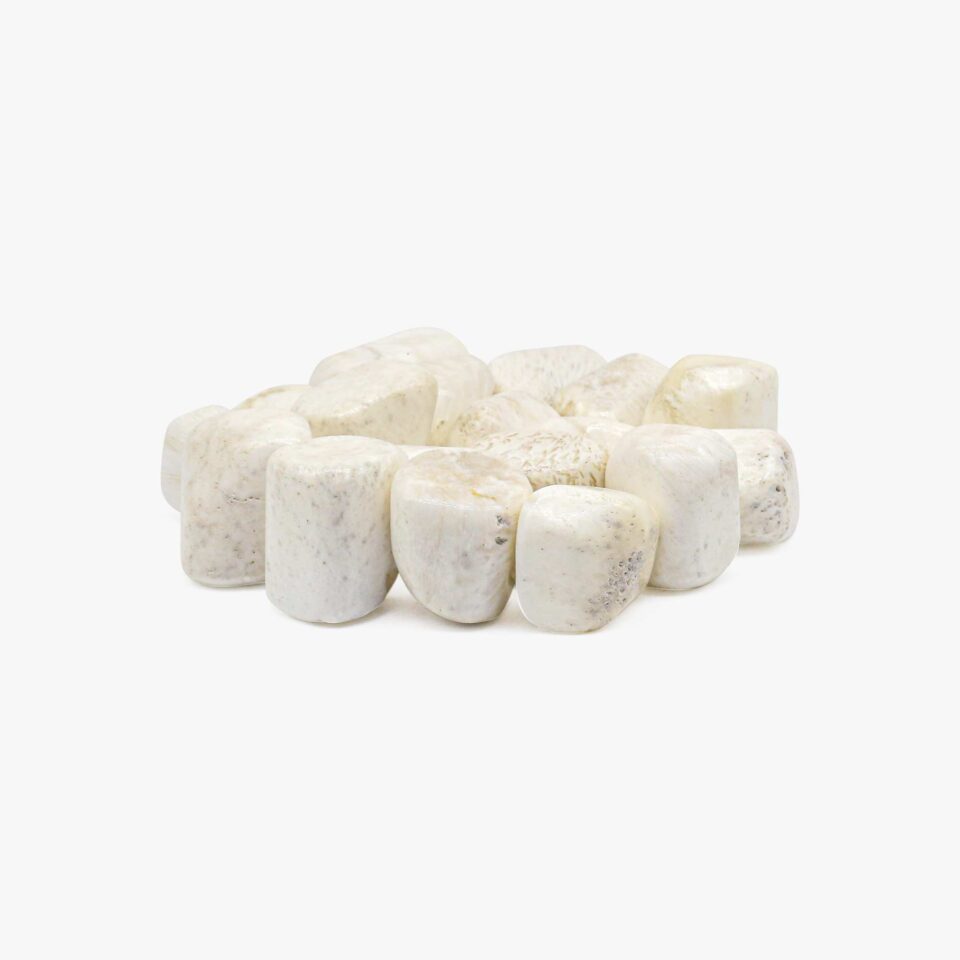
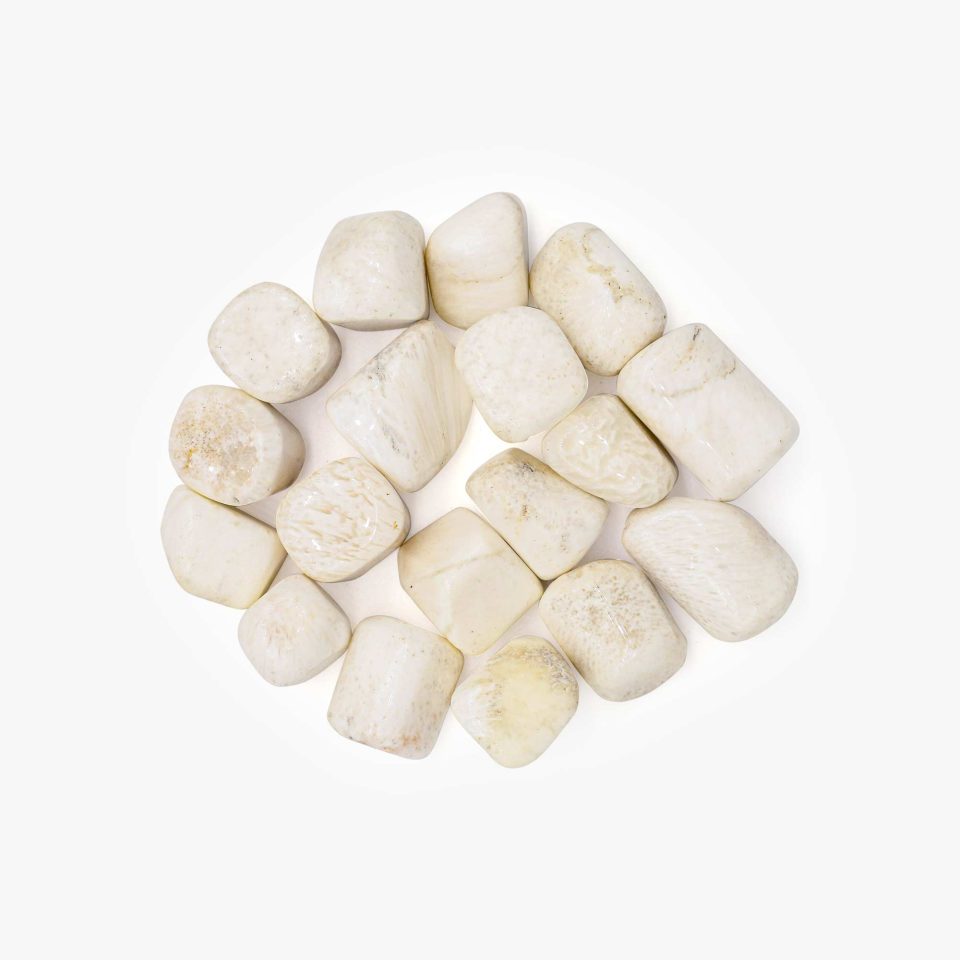
Scolecite is a rare zeolite mineral prized for its silky white to translucent appearance and delicate needle-like crystal formations. It typically forms in radiating sprays or soft, feathery clusters that catch light with a subtle satiny sheen. At Tocrystal explore thoughtfully selected Scolecite pieces including tumbled stones, palm stones, clusters, and decorative specimens. Each piece is cleaned and polished to highlight its fine fibrous structure and soft tonal range.
Why Choose Scolecite Crystals
-
Distinctive texture: Fine, hair-like crystal arrays create a soft, satiny surface and a tactile focal point.
-
Subtle palette: Most Scolecite appears in white, cream, or pale pink shades that integrate well with modern interiors.
-
Collector interest: Natural clusters and sprays are sought after by mineral collectors for their uncommon formation habit.
Benefits and Practical Uses of Scolecite
Here are practical ways to use Scolecite in daily life without overstating effects:
-
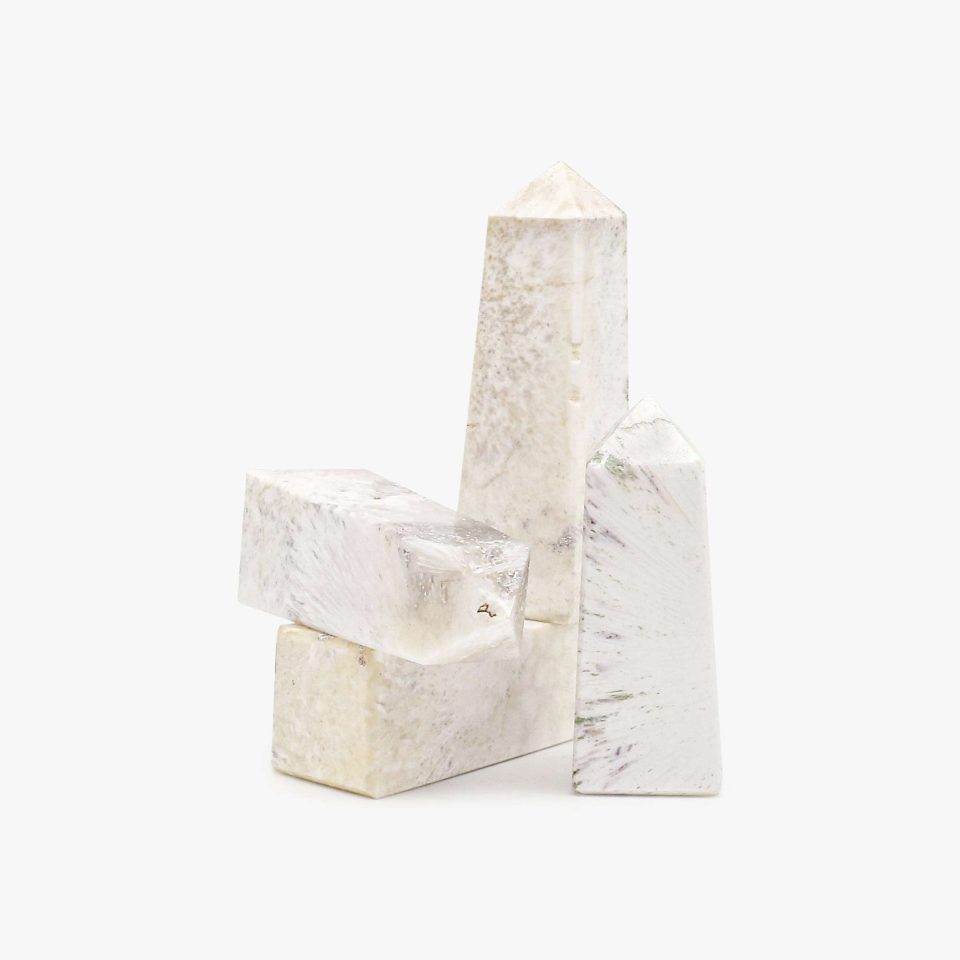
Display accent: A raw Scolecite cluster or polished palm stone adds a quiet sculptural element to shelves and tabletops.
-
Gentle tactile piece: Palm stones and worry stones are pleasant to hold because of the stone’s silky texture.
-
Pairing in decor: Scolecite’s neutral tones balance stronger coloured stones and metallic accents in curated displays.
-
Studio or workspace object: Small clusters provide a clean, minimalist accent that complements creative spaces.
-
Gift and collectible: Unique cluster formations make Scolecite a distinct gift for collectors and design lovers.
Best Scolecite Crystal Products and Their Uses
-
Scolecite Clusters: Natural sprays and clusters that showcase radiating needle formations for display.
-
Scolecite Palm Stones: Smooth, hand-sized stones polished on one or both faces for tactile use.
-
Scolecite Tumbled Stones: Small polished pieces suitable for collections, gifting, or small displays.
-
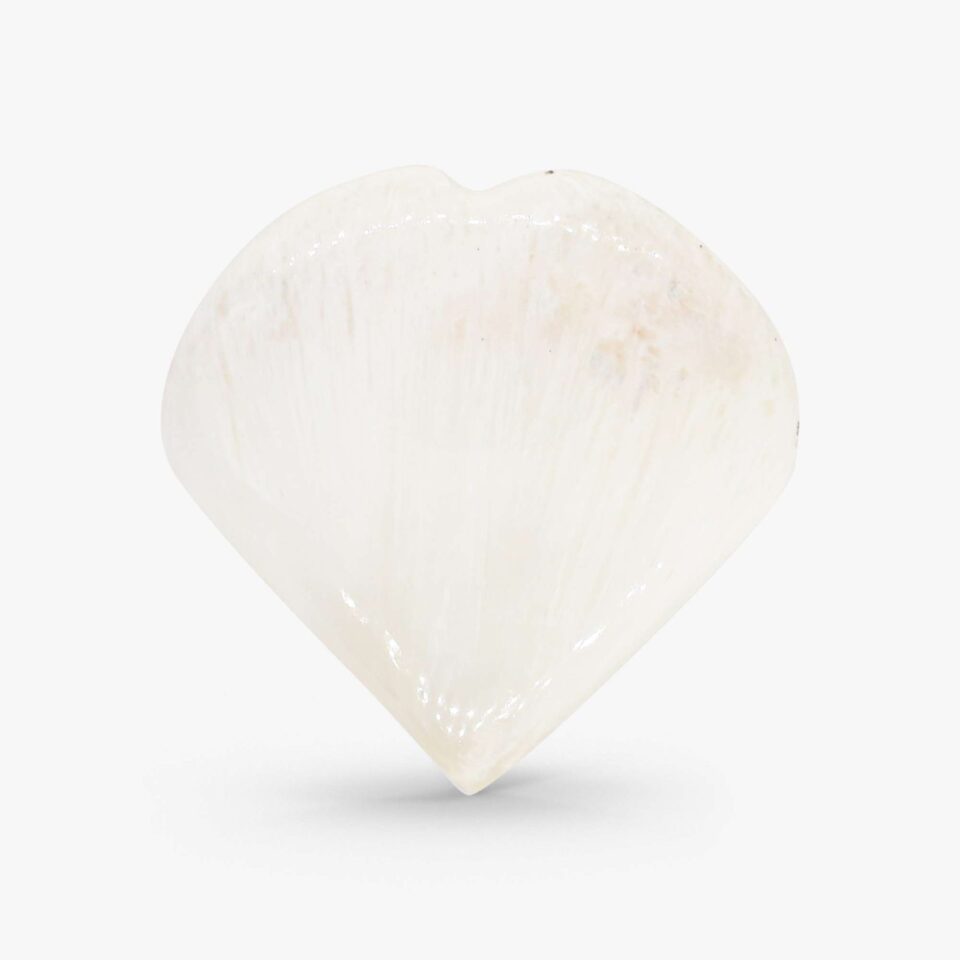
Scolecite Decor Pieces: Mounted slices, freeforms, or combined pieces made for shelves and interiors.
Geological and Formation Background
Scolecite belongs to the zeolite group of minerals and commonly forms in cavities of volcanic rocks where low temperature hydrothermal fluids deposit zeolite minerals. It often crystallizes in radiating sprays and tufts that reflect its layered growth habit. Known localities include Iceland, India, and parts of the United States, with some Indian finds producing larger, display-quality clusters. The stone’s fibrous crystal habit and pearly luster are its key identifying traits.
Scolecite Stone and Zodiac Connections
-
Associated Zodiac Signs: Libra and Pisces
-
General Use: Well suited to anyone who prefers understated neutral stones and sculptural mineral specimens.
Best Crystal Pairings with Scolecite
-
Desert Rose or Selenite: Maintain a light, tonal palette and reinforce sculptural texture.
-
Clear Quartz: Enhances overall brightness and pairs cleanly with Scolecite’s translucence.
-
Amazonite: Introduces soft colour contrast while keeping a calm visual balance.
Explore and buy authentic Scolecite pieces online with Tocrystal. Pieces are carefully selected, cleaned, and prepared for display or wear. Free shipping applies on orders above ₹499 and COD is available across India.
Frequently Asked Questions
Q: What is Scolecite?
A: Scolecite is a zeolite mineral that forms fine, radiating needle-like crystals and clusters, usually appearing white or pale in tone.
Q: How is Scolecite typically sold?
A: Scolecite is commonly offered as natural clusters, palm stones, tumbled pieces, and decorative freeforms.
Q: Can Scolecite be used in home décor?
A: Yes, its subtle sheen and sculptural forms make it well suited for minimalist and modern interiors.
Q: How should I clean Scolecite?
A: Wipe gently with a soft, dry cloth. Avoid harsh scrubbing or prolonged water exposure to preserve delicate crystal sprays.
Q: Do you offer shipping and COD?
A: Yes, Tocrystal offers free shipping on orders above ₹499 and Cash on Delivery across India.